
| Lab Safety Checklist - to be completed by the lab before OESO walkthrough | Date | |
|---|
| PI Name | Emma Chory | Safety Contact Name | Ryan Boileau |
| Department | Biomedical Engineering | Safety Contact Phone | 5036790739 |
| Box # | | Safety Contact Email | ryan.boileau@duke.edu |
| Your buildings & rooms | CIEMAS 2393, CIEMAS 2208,CIEMAS 2216, CIEMAS 2398 |
| Shared buildings & rooms (incl. cold rooms) | CIEMAS 2208, CIEMAS 2398 |
Documentation and Training
| 1 | Is the list of lab members in the LSWMS up to date? | Yes | No |
| 2 | Which of the following can personnel easily access (via cloud drive, hardcopy, web, etc.)? |
| Duke University Safety Manual Duke Laboratory Safety Manual Radiation Safety Manual Duke Chemical Hygiene Plan Reproductive Health Policy Safety Data Sheets (SDSs) | Report of Work-Related Injury or Illness Form OESO Emergency Response Guide & Webpage, including Exposure Hotline - Bio, Chem, or Rad – 919-684-8115 Blood Borne Pathogens Exposure Control Plan Minors/Non-Employees in the Workplace Policy Training records/Written procedures for machine tools | Lab Chemical Waste Management Practice P-List of acutely hazardous chemical wastes Drain Disposal Guidelines - (flyer) Aerosol Can Disposal Policy Eyewash/drench hose flushing records Appropriate Information Sheets |
| 3 | Please indicate how many copies of the OESO Emergency Response Guide flipchart you need: |
| 4 | Is the presence of food and drink prohibited in appliances used for potentially infectious materials or hazardous chemicals through training and labeling of refrigerators, freezers, and microwaves? | N/A[1] | Yes | No |
| 5 | Are eating, drinking, applying cosmetics, and handling contact lenses prohibited in areas where there is any risk of exposure to potentially infectious materials or hazardous chemicals? | N/A | Yes | No |
| 6 | Are employees trained on safe use and proper clothing/PPE for autoclaves? (See also info sheet, hazard alert, and training checklist.) | N/A | Yes | No |
| 7 | Do you have any minors or non-employees in your lab? | Yes | No |
Fire Safety
| 1 | Are all lab members familiar with the location of fire alarm pull stations and fire extinguishers? | Yes | No |
| 2 | Are open flames/Bunsen burners only used outside biosafety cabinets (BSCs) and/or fume hoods? | N/A | Yes | No |
| 3 | Are combustible materials such as paper removed from the lab bench when using open flames/Bunsen burners? | N/A | Yes | No |
| 4 | Does the lab avoid storing flammable chemicals in "Not Approved” fridges/freezers? | N/A | Yes | No |
| 5 | Are extension cords used on equipment for only less than 30 days in a row? This is NOT regarding power strips. | N/A | Yes | No |
| 6 | Do all workers know where the outside Emergency Assembly Point is located? (See Site-Specific Fire Plan Part I) | N/A | Yes | No |
General Safety and Personal Protective Equipment (PPE)
| 1 | Are there any procedures that require PPE in your lab? | N/A | Yes | No |
| 2 | Have all lab members been provided with instructions about the use, care, and storage of PPE? | N/A | Yes | No |
| 3 | Which types of PPE are available in your lab: |
| Nitrile gloves Alternative gloves (for anyone allergic) Neoprene gloves Cryogen gloves (cold/liquid resistant) Autoclave gloves (heat resistant) UV/IR eye protection | Goggles Safety glasses Surgical Masks Face shields 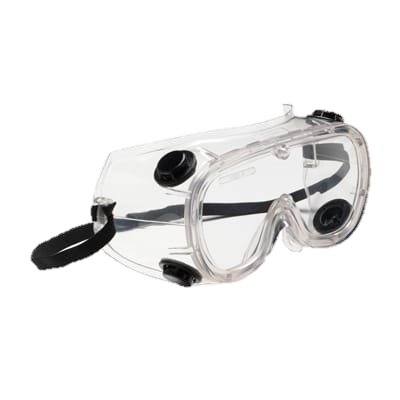 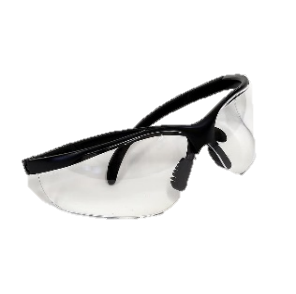 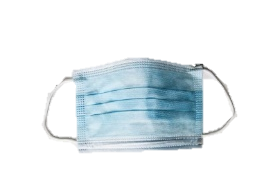 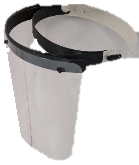 | Standard lab coat Chemical-resistant apron Disposable apron Other: None |
| 4 | If lab coats are used and become contaminated/dirty, how are they cleaned: |
| 5 | Please list the first and last name of lab members who use respirators, if any: |
| 6 | Are your freezers and fridges continuously monitored for their temperature? | N/A | Yes | No |
| 7 | Are you using an autoclave for sterilization? Yes No If so, do lab members AVOID adding water to the bin? | N/A | Yes | No |
| 8 | Are all uncontaminated sharps (e.g., broken glassware and Pasteur pipets) disposed of in an appropriately lined puncture-resistant container? | N/A | Yes | No |
| 9 | What type of contaminated sharps are generated as waste? | biological | chemical | None |
| 10 | Are fridges/freezers, cold rooms, and other storage areas periodically checked for their contents? | N/A | Yes | No |
Chemical Safety
| 1 | When procuring chemicals, does the lab select the least hazardous chemical or container possible for a procedure? | N/A | Yes | No |
| 2 | For situations that call for the transport of chemicals, are secondary leak-proof containers used? | N/A | Yes | No |
| 3 | Please list all peroxide-forming chemicals (e.g., isopropanol, diethyl ether, tetrahydrofuran), if any: |
| 4 | Please list all P-Listed chemicals in your lab, if any: |
| 5 | Are hazardous and irritating powders handled/weighed according to safe work practices? | N/A | Yes | No |
| 6 | Does your lab review chemicals in storage to sort out obsolete chemicals? | N/A | Yes | No |
| 7 | Is “Universal Waste” (e.g., used batteries or mercury thermometers) generated or stored in your lab? | N/A | Yes | No |
| 8 | Are your lab members shipping chemicals off-campus? | N/A | Yes | No |
| 9 | Please describe how your lab members use liquid nitrogen and how much they dispense at a time, if applicable: |
| 10 | Please describe how often and how long you run 3D printers in your lab: |
Biological Safety
| 1 | Please list the biological materials such as toxins, tissues, cell lines, bacteria, viruses, and fungi used in your lab: |
| 2 | Where are whole plants grown, if any: |
| 3 | Please list everyone who is actively working with human-derived materials in your lab: |
| 4 | Please list everyone working with other BSL-2 materials: |
| 5 | Select any of the following materials your lab members are using, if any: rDNA Adeno-associated viruses (AAV) Adenovirus Baculovirus Lentivirus Retrovirus Other viral vectors: |
| 6 | Select current disposal methods for biological waste, if such waste is generated: |
| Autoclaving; location: Incineration offsite; location: | Chemical disinfection Other: |
| 7 | Are work surfaces wiped down immediately with an appropriate disinfectant at the end of each procedure or immediately following a spill? | N/A | Yes | No |
| 8 | Are all biological materials transported in closed, durable, leak-proof containers within and outside the lab? | N/A | Yes | No |
| 9 | Are needle-locking syringes/single use needle-syringe units used with infectious agents? | N/A | Yes | No |
| 10 | Do all vacuum lines used with biological materials have in-line filters and disinfectant traps? | N/A | Yes | No |
| 11 | Please list everyone responsible for completing shipping papers or packaging biological material and/or dry ice: |
| 12 | Is Employee and Occupational Health and Wellness (EOHW) contacted for immunizations, surveillance, and treatment of occupational exposures? | N/A | Yes | No |
| 13 | Is your work with human subjects or clinical research participants approved by the Institutional Review Board (IRB)? | N/A | Yes | No |
| 14 | Are clinical specimens (saliva, blood, etc.) collected from research subjects? | N/A | Yes | No |
Animal Use
| 1 | Please list all animal species used by lab members: |
| 2 | Please select the method of controlling anesthetic gas exposure: |
| Chemical fume hood Vacuum scavenging | Captured with charcoal canister e.g. F/Air (used charcoal canisters need to be submitted as chemical waste) | Released into lab Other: |
| 3 | Does the lab create or work with agents used in animals at either Duke or another location? | Yes | No |
[1] N/A means Not Applicable
Synced 14 October 2026 from the Drive document · Open in Drive