Date prepared: 8/4/2023, Ryan Boileau
Introduction: This is the “laboratory-specific” part of the Chemical Hygiene Plan (CHP), and provides information and specifies procedures that are specific to the laboratory. It is the responsibility of the Principal Investigator (PI) or Laboratory Chemical Hygiene Officer to compile, review, and update this information. Sections not relevant to work in the lab may be deleted. The Occupational and Environmental Safety Office (OESO) will verify completeness during annual laboratory audits.
Identification of Laboratory Unit Covered by this Laboratory-Specific Plan
Laboratory Unit
Main Lab: CIEMAS, 2391, 2397
TC Room: CIEMAS 2216
Robot Room: CIEMAS 2208
Cold Room: CIEMAS 2304
Principal Investigator:
Name: Emma Chory
Office Location: CIEMAS. Room 2353b
Work (cell) Phone Number: (203) 273-3711
Alternate Phone Number: (984) 327-8702
Department Chair:
Name: Sharon Gerecht , PhD
Office Location: 1427 FitzPatrick CIEMAS
Work Phone Number: (919) 660-5128
Laboratory Safety Coordinator (LSC):
Name: Ryan Boileau, PhD.
Office Location: CIEMAS 2393
Work Phone Number: (503) 679-0739
Alternate Phone Number:
Laboratory Chemical Hygiene Officer
Name: Ryan Boileau
Title: Postdoctoral Fellow
Office Location: CIEMAS 2393
Work Phone Number: (503) 679-0739
Alternate Phone Number:
Checklist for documents to be appended to plan, if applicable:
Check below all items that are appended to this plan. Unless otherwise indicated, copies of appended documents should be sent to OESO when this plan is requested.
- List of particularly hazardous and high risk chemicals (Required unless listed on page 2, or unless page 2 indicates that there are no particularly hazardous or high risk chemicals in the lab)
- Customized SOPs noted on pages 4 and 5, if any
- Summary of Chemical High Risk Procedures and Documentation of Approval, and hazard assessments or lab-specific SOPs for each high-risk procedure (Required unless page 6 indicates no High Risk Procedures)
- Laboratory Emergency Response materials (Required unless listed on page 9)
- Laboratory-specific chemical hygiene training documentation (to be kept in lab only – copies do not need to be sent to OESO)
Safety Data Sheets (SDSs)
Every lab employee and student should be instructed on how to access and understand Safety Data Sheets. SDSs for our chemicals can be found:
- In this laboratory, located or,
- In the departmental file, located or,
- On a personal or networked computer, located Chory Lab Safety Documents (link) and also available through the chory lab website portal. It is additionally linked in the lab handbook, but is password protected in the handbook, because we have made the handbook publicly available.
- Using the internet Safety Data Sheet database service (CCOHS), which can be accessed through http://www.safety.duke.edu/occupational-hygiene-safety/sds-resources.
- Other:
Backup plan for electronic SDSs: In the case of power or internet outage, contact the manufacturer to have an SDS faxed, or call OESO at 919-684-2794 or 919-684-5996 for assistance.
Chemical inventory for particularly hazardous and high risk chemicals
List below the particularly hazardous and high risk chemicals (Duke Hazardous chemicals link) used in this lab, or attach a list.
Chory Lab hazardous/high-risk Chemicals:
- Paraformaldehyde
- Chloroform
- Phenol
- Trypan Blue 0.4% Solution
- Trizol
- Chloramphenicol
- Kanamycin Sulfate
- Hygromycin B
- The list of particularly hazardous and high risk chemicals is attached.
- We have reviewed our inventory using OESO’s GHS Lookup Tool, SDSs, other relevant sources of information, and the GHS criteria for particularly hazardous and high risk chemicals, and have determined that our lab has no particularly hazardous or high risk chemicals.
Controlling Exposures & Hazards
Lab-Specific strategies
General strategies for controlling chemical exposures are described in the “Safe Use of Chemicals” section of the University Chemical Hygiene Plan, in the Laboratory Safety Manual.
List below any general lab guidelines that are more stringent than the above-referenced section:
- Use the chemical fume hood when working with hazardous chemicals and Particulary Hazardous Substances (PHS). Dispose of hazardous chemicals and PHS wastes safely and properly.
- Wear a lab coat, gloves and safety glasses/ goggles when working with hazardous chemicals and PHS.
Indicate below strategies for safe use of engineering controls in the lab:
- Our lab has a chemical fume hood.
- Look for certification date within the last year on sticker located August 2022
- Verify that hood is under negative pressure by doing the following:
- Check digital monitor for flow rate between 80 and 120 fpm. (When sash is at maximum safe height indicated on hood, flow rate should be close to that shown on most recent certification sticker.)
- Check magnehelic gauge to verify that pressure needle lines up closely with set point.
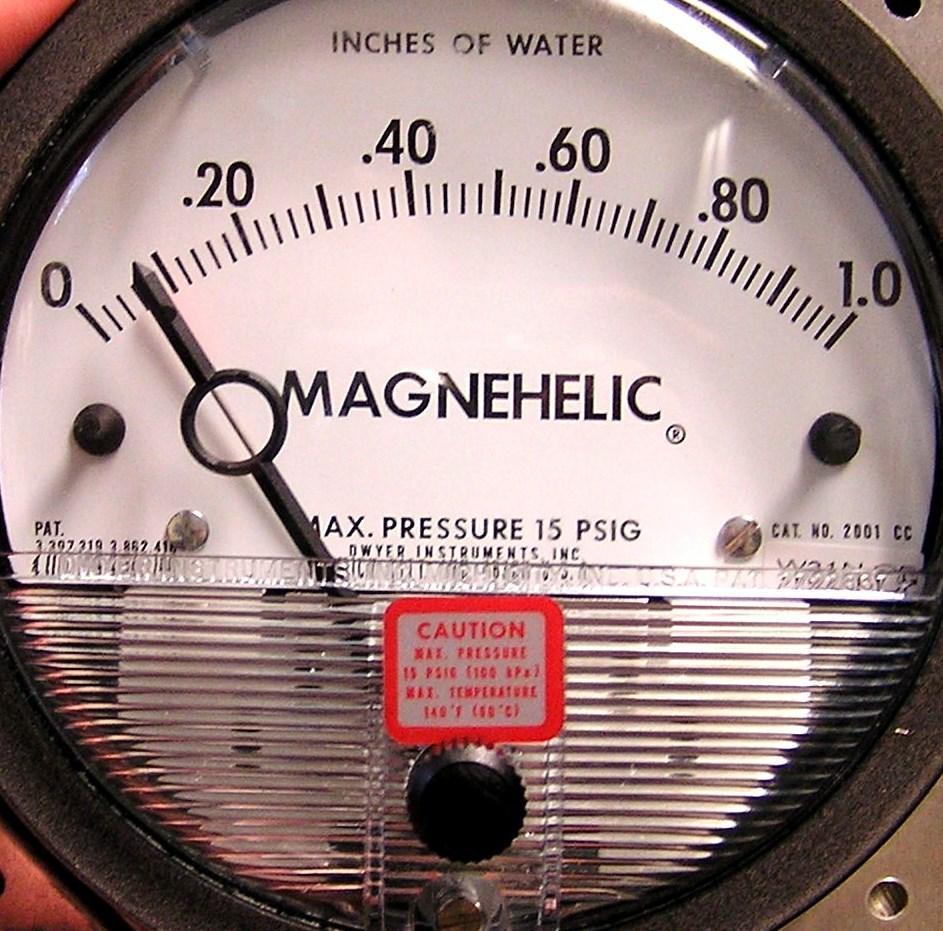
- Other:
Position sash correctly for work:
- Hood sash moves vertically – keep sash in lowest practical position while working. Sash must come down to shoulder height or lower.
- Hood has combination sash.
- For maximum flexibility, route tubes and cords under airfoil or through access at side of hood. If this is not possible, route these connections under the sash. Avoid running tubes or cords between horizontal sash panels.
- Keep horizontal panels closed and move sash vertically during work. Keep sash in lowest practical position while working. Sash must come down to shoulder height or lower.
OR — Close sash vertically:
- Place one sash panel between body and the work in the hood. Work with arms reaching around this sash panel.
- Our lab uses a biological safety cabinet for handling of powdered chemicals or water-based solutions/suspensions. These hoods are used for Tissue Culture solutions but no powdered chemicals are used here.
- Our lab has “snorkel” exhaust to remove hazardous vapors from the benchtop. The snorkel must be placed as close as possible to the point of contaminant generation (generally within 4 – 6”).
- Our lab has other local exhaust. Safe use instructions are included below.
Standard Operating Procedures (SOPs) and Safety Guidelines
Refer to the Duke Lab Safety Manual, Chemical Safety Section, “Safe Use of Chemicals” chapter for requirements for Standard Operating Procedures.
Mark below the generic and/or lab-customized SOPs that are relevant for this lab. Generic SOPs and guidelines may be referenced online (https://www.safety.duke.edu/laboratory-safety/chemical-hygiene/chemical-sops) or printed. Customized SOPs must be appended to this document.
| Type of SOP | Chemical Name orHazard Class | Notes Chemicals covered by Hazard Class SOPs are listed below See inventory to determine which SOP(s) apply for which chemicals | |
|---|---|---|---|
| GenericSOP or Guide-line | Custom SOP | ||
| Aqua Regia | |||
| Asphyxiants | |||
| (gels ONLY) | (used in chemical reactions) | Acrylamide | ( precast polyacrylamide gels only – no SOP needed) |
| Biologically-Derived Toxins | |||
| Bleach | |||
| b-Mercaptoethanol | |||
| Chloroform | |||
| Compressed Gases | |||
| Corrosives | |||
| (high risk - see p.6) | Cryogens | ||
| Diethyl Ether | |||
| Ethidium Bromide | |||
| Explosives | |||
| Flammables | |||
| Formalin and paraformaldehyde (PFA) solutions, PFA powder | |||
| Hazardous Drugs | |||
| Hydrofluoric Acid | Also see p 7. | ||
| Methylene Chloride/ Dichloromethane | |||
| Nanomaterials (if synthesizing particularly hazardous/high risk nanomaterials, also see p.7) | |||
| Nitric Acid | |||
| Oxidizers | |||
| Organic Peroxide-Formers | |||
| Osmium Tetroxide | |||
| Perchloric Acid | If heated, also see p 7. | ||
| Phenol | |||
| Piranha | |||
| (high risk - see p.8) | Pressure and Vacuum | ||
| (high risk - see p.7) | Pyrophoric and other highly reactive materials | ||
| (preserv-ative ONLY) | (used in chemical reactions) | Sodium Azide | ( sodium azide present at <1% as a preservative in a pre-made kit only – no SOP needed) |
| Sulfuric Acid | |||
| Tetrahydrofuran | |||
| Toxic Gases | |||
| Toxic Liquids | see Toxic and Health Hazards Liquids guidelines | ||
| Toxic Powders (& suspensions or solutions) | see Toxic and Health Hazards Powders guidelines | ||
| (high risk - see p.7) | Water Reactives | ||
| Other | Trypan Blue, Trizol, Chloramphenicol, Kanamycin Sulfate, Hygromycin B or List is attached. | ||
This lab does not have or need any generic or customized SOPs.
Chemical High Risk Procedures
Chemical high risk procedures are lab procedures that pose significant risk of serious injury or major property damage if a malfunction were to occur (such as a utility outage, runaway reaction, container failure, or chemical spill/release) and/or which require any of the following:
- Engineering controls more specialized than good room ventilation, chemical fume hoods, biological safety cabinets and/or local exhaust such as snorkel or canopy hoods.[1]
- Personal protective equipment in addition to gloves, lab coats, eye/face protection and/or chemical or thermal protective aprons or sleeves.
- Chemical-specific first aid treatments or antidotes.
Contact OESO’s Occupational Hygiene and Safety Division at 919-684-5996 if you have questions regarding Chemical High Risk Procedures or if you need OESO permission (as indicated in list below).
Certifications
Our lab does not perform any chemical high-risk procedures based on the definition above and the examples listed below. Name of person making this determination: Emma Chory Signature and date: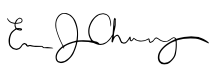 8/17/2023 8/17/2023 |
|---|
The following Chemical High Risk Procedures require written approval from the PI and OESO. The date and form of this written approval must be noted below. A written hazard assessment or lab-specific SOP, approved by the PI and kept with this plan, is required for all high risk procedures.
| Chemical High Risk Procedure | Date of PI approval | Date & form of written approval, Name of OESO approver | ||
|---|---|---|---|---|
| Use of liquid nitrogen or other cryogens in large quantities or in a manner that could displace oxygen. Specify cryogen(s), amount(s), task (if applicable), location (Building and Room number) and approximate room dimensions: “Large quantities” include any cryogen piped in from a tank located outside the building. For Liquid Nitrogen, “large quantities” would be more than one freezer and one attached liquid cylinder per room. Filling a cryocart or cooler is a task that could displace oxygen. Re-evaluation is required if the above-mentioned quantities or tasks move to a different room, or if there is a significant change in procedures or ventilation. | ||||
| Heating of concentrated perchloric acid (60% or more) Indicate location, concentration, amount, and frequency of use: | ||||
| Use of chemicals that are acutely toxic category 1 by inhalation or skin contact in the concentration purchased. List acutely toxic chemicals in the lab: At the discretion of the OESO reviewer, DEPARTMENTAL review and approval may also be required. | If departmental review was required by OESO, indicate date and form of this review: | |||
| Creation or synthesis of nanomaterials where the nano-sized compound is particularly hazardous or high risk. List materials created, including size of particles, and indicate if materials are created as a powder or in suspension: | ||||
| Use of MPTP or other chemicals for which an antidote or specific first-aid treatment is required. (Note: Use of hydrofluoric acid does NOT require OESO approval and is listed in next section.) List chemical and antidote/first aid, indicate if it is on hand, and indicate if Employee Occupational Health and Wellness is aware: | ||||
The following Chemical High Risk Procedures require a hazard assessment and written approval from the PI. In some cases, the PI may seek or the Department may require Departmental review. This review/approval must be documented in writing on the hazard assessment/lab-specific Standard Operating Procedure and summarized below.
| Chemical High Risk Procedure | PI Approval Date and Information about Departmental Review/Approval (if required) | |||
|---|---|---|---|---|
| PI Approval Date | Dept. review/approval | |||
| Required? | (Date&form of review) | |||
| Use of hydrofluoric acid. List quantities and concentration: ) | ||||
| Use of reactive, pyrophoric & explosive chemicals that are considered high risk (See http://www.safety.duke.edu/sites/default/files/PHSInfoSheet.pdf). (List materials or classes of materials: ) | ||||
| Chemical procedures involving pressure, vacuum, or heat when failure of the container could result in significant physical hazards, exposure to toxic materials, or fire. List procedures: ) | ||||
| Other chemical high risk procedures meeting the definition at the top of page 6. (List specific procedures/equipment and hazards: ) | ||||
In addition, any scale-up of a previously approved high-risk procedure will require a new hazard assessment or new lab-specific SOP and written approval by the PI. This section of the lab-specific Chemical Hygiene Plan must be updated when scale-ups have been approved. OESO review/approval will be required for scale-ups of procedures that originally required their approval. The need for Departmental review/approval will be based on Departmental criteria.
Work Practices Requiring Prior Approval
Some laboratory work may not meet the definition of “high risk procedures” above, but may introduce additional risk because of when and/or how the work is conducted.
The following work practices require prior approval of the principle investigator or laboratory safety coordinator/chemical hygiene officer. Detail here if these scenarios are applicable and, if so, how approval will be documented in this lab:
Working alone: None
Unattended Experiments: None
Lab-Specific Information for Chemical Waste Disposal
- Our laboratory is a registered chemical waste generator and
- Chemical waste barcode stickers are stored at a place accessible in lab and known by all lab members.
- Waste accumulation stickers are stored in Chemical room 2398 by door and at a separate location in the main lab space. When chemical waste is generated put in an appropriate container, label with the type of waste and open date (use tape). Store in chemical fume hood so it can be disposed by the lab member leading chemical waste.
- When waste needs to be submitted, the following person(s) can submit a waste pickup request through the Laboratory Safety and Waste Management System: Ryan Boileau
- Our laboratory does not generate chemical waste that needs to be picked up by OESO Environmental Programs.
- Our laboratory is off-site and chemical waste is handled as follows:
Emergency Response
For general emergency procedures for on-campus labs, see the Laboratory Emergency Response & Incident Reporting Guide (flip chart) and/or the Emergency Response section of the Duke Chemical Hygiene Plan (in the Lab Safety Manual).
List below or attach any specific emergency procedures for this lab. (For example, powering off certain equipment, different chemical spill instructions for off-campus labs, etc.)
- Lab Emergency Procedures are attached.
Our lab’s Emergency Assembly Point location is: Bostock Library/Perkins Library walkway
(For campus buildings, see https://www.safety.duke.edu/fire-life-safety/site-specific-fire-plans to determine the Emergency Assembly Point.)
Spill clean-up supplies and instructions:
Spill cleanup supplies are located: Room 2398 top shelf of chemical cabinet and underneath bench with the balances.
Types available (acid, base, solvent, combo, etc.): The kit is approved to clean up acids, bases solvents and unknown liquid (Fisher Scientific: Acid, Caustic and Solvent Spill Kit, Acid, Caustic and Solvent Spill Kit, Cat# S20636 & Uline: Universal Bag Spill Kit - 5 Gallon, Cat #S12200).
Usage information: Kit contains absorbant pads and socks that can absorb up to 5L of liquid. Once pad or socks are used to clean up a spill, place in a new plastic bag, date the bag, label as waste (include the type of waste on the label), and leave the bag near the fume hood for disposal.
Certification
By signing and dating here the Laboratory Chemical Hygiene Officer and Principal Investigator certify that this Laboratory-Specific Chemical Hygiene Documentation is accurate and that it effectively provides for the chemical safety of employees and students in this laboratory.
Principal Investigator or Laboratory Director
Emma Chory 8/17/2023
Laboratory Chemical Hygiene Officer (if other than PI)
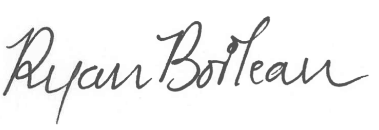 Ryan Boileau 8/21/2023
Annual Review and Updates
By signing and dating here, the Laboratory Chemical Hygiene Officer certifies that the required annual review (and update, if needed) of the Laboratory-Specific Chemical Hygiene Plan has been completed, and that it continues to be accurate and to effectively provide for the chemical safety of employees in this laboratory.
| Lab Chemical Hygiene Officer Signature | Lab Chemical Hygiene Officer Printed Name | Date | Lab CHP Updated? (Y/N) (Note minor updates below.) |
|---|
Laboratory-specific chemical hygiene training documentation
(Copy this form and have each member of your lab sign one before beginning work with chemicals.)
I have received information and training on the subject of chemical hygiene, including:
- I have read the Duke University Chemical Hygiene Plan (Section 3 of the Duke Laboratory Safety Manual).
- I am familiar with the Duke University Safety Manual (https://www.safety.duke.edu/safety-manuals/university-safety-manual) and have reviewed the Hazardous Materials Chapter in that manual.
- I have read the Laboratory-Specific Chemical Hygiene Plan for my laboratory, including the generic SOPs/guidelines and customized SOPs indicated in this plan. I am familiar with the contents of relevant SOPs and guidelines and agree to follow the written procedures.
- I have been given the opportunity to read the OSHA Lab Standard, 29 CFR 1910.1450 (http://tinyurl.com/ov9p27g) and its appendices.
- I have been instructed on how to locate important reference materials, such as those containing hazard information about chemicals and safe handling, storage, and disposal practices for the chemicals found in this laboratory.
- I know where/how to locate Safety Data Sheets for chemicals in this laboratory.
- I have been apprised of the physical and health hazards of chemicals in this laboratory, and am aware of the
- Permissible Exposure Limits (or, if there is no PEL, other recommended exposure limits), and
- Signs and symptoms associated with exposures to chemicals used in this laboratory.
- I am aware of the engineering controls, work practices, emergency procedures, and personal protective equipment needed to protect myself from the hazards in the laboratory.
- I am aware that Duke’s Occupational and Environmental Safety Office may be contacted to evaluate chemical exposure if needed.
Print Name: Date:
Signature:
Review of laboratory-specific chemical hygiene documentation
Laboratory-specific chemical hygiene documentation should be reviewed by each member of the lab at least every year, or whenever there is a revision to the documentation (such as a new or revised SOP).
This signature page certifies review of the following:
- New or revised SOPs or guidelines: All the PHS or High Risk Chemical SOPs listed in the CHP for 2022
- Updates to Chemical Hygiene Plan: New PHS or High Risk Chemicals Added
- Annual review of Chemical Hygiene Plan and relevant SOPs :
| Last Name | First Name | Duke ID | Signature | Date |
|---|
[1] More specialized engineering controls include (but are not limited to) inert-atmosphere glove boxes used for employee safety, ventilated gas cabinets, oxygen monitors, and/or toxic gas monitors.
Synced 14 October 2026 from the Drive document · Open in Drive